Entertainment has evolved alongside technology. Years ago, people planned evenings around television schedules or collected DVDs to watch favorite films whenever they had spare time. Today, internet streaming has replaced many of those habits by making thousands of titles available instantly. With only a connected device and a stable internet connection, viewers can choose what they want to watch without waiting for a broadcast or searching through physical collections.
One reason streaming continues to attract audiences is its ability to fit into different lifestyles. Students, professionals, families, and frequent travelers all consume entertainment differently, yet digital platforms provide the flexibility to accommodate everyone. Content is available around the clock, allowing viewers to enjoy a film after work, continue a television series during a commute, or spend a relaxing weekend exploring new releases.
For people looking to explore movies and series online, modern streaming platforms provide a practical way to discover productions from many genres while enjoying the convenience of digital access across multiple devices.
Entertainment Without Fixed Schedules
Traditional television followed a simple rule: viewers watched programs when broadcasters decided to air them. Missing an episode often meant waiting for a repeat. Streaming completely changed that experience by putting control into the hands of the audience.
Instead of adapting daily routines around programming guides, viewers simply browse available content whenever they have free time. Whether it is early morning, late at night, or during a lunch break, entertainment is available whenever it is most convenient.
This freedom has transformed viewing from a scheduled activity into an on-demand experience that easily fits modern lifestyles.
Growing Libraries Create Endless Possibilities
The size of digital content libraries continues to expand every year. Instead of offering only recent blockbusters, many streaming platforms include timeless classics, award-winning dramas, independent productions, documentaries, animated films, and international releases.
Such variety encourages exploration. Someone who normally watches action films may discover historical dramas, while comedy fans can easily browse family entertainment or science-fiction adventures. The ability to move between genres without purchasing separate collections has become one of streaming’s greatest advantages.
Large libraries also benefit households where family members have different preferences. Children, teenagers, and adults can each find suitable entertainment without relying on the same limited selection.
Technology Behind the Experience
Streaming feels simple from the viewer’s perspective, but sophisticated technology operates behind every playback session. Modern delivery networks distribute video efficiently, allowing high-quality playback even as millions of people watch content simultaneously.
Improved compression algorithms reduce bandwidth requirements while maintaining impressive picture quality. As internet infrastructure continues improving worldwide, buffering becomes less common and playback becomes increasingly reliable.
Many services also automatically adjust video quality according to available internet speed, helping maintain uninterrupted viewing without requiring manual settings.
Watching Anywhere Has Become the Standard
Entertainment is no longer limited to a single room or television. Today’s viewers regularly switch between devices depending on where they are throughout the day.
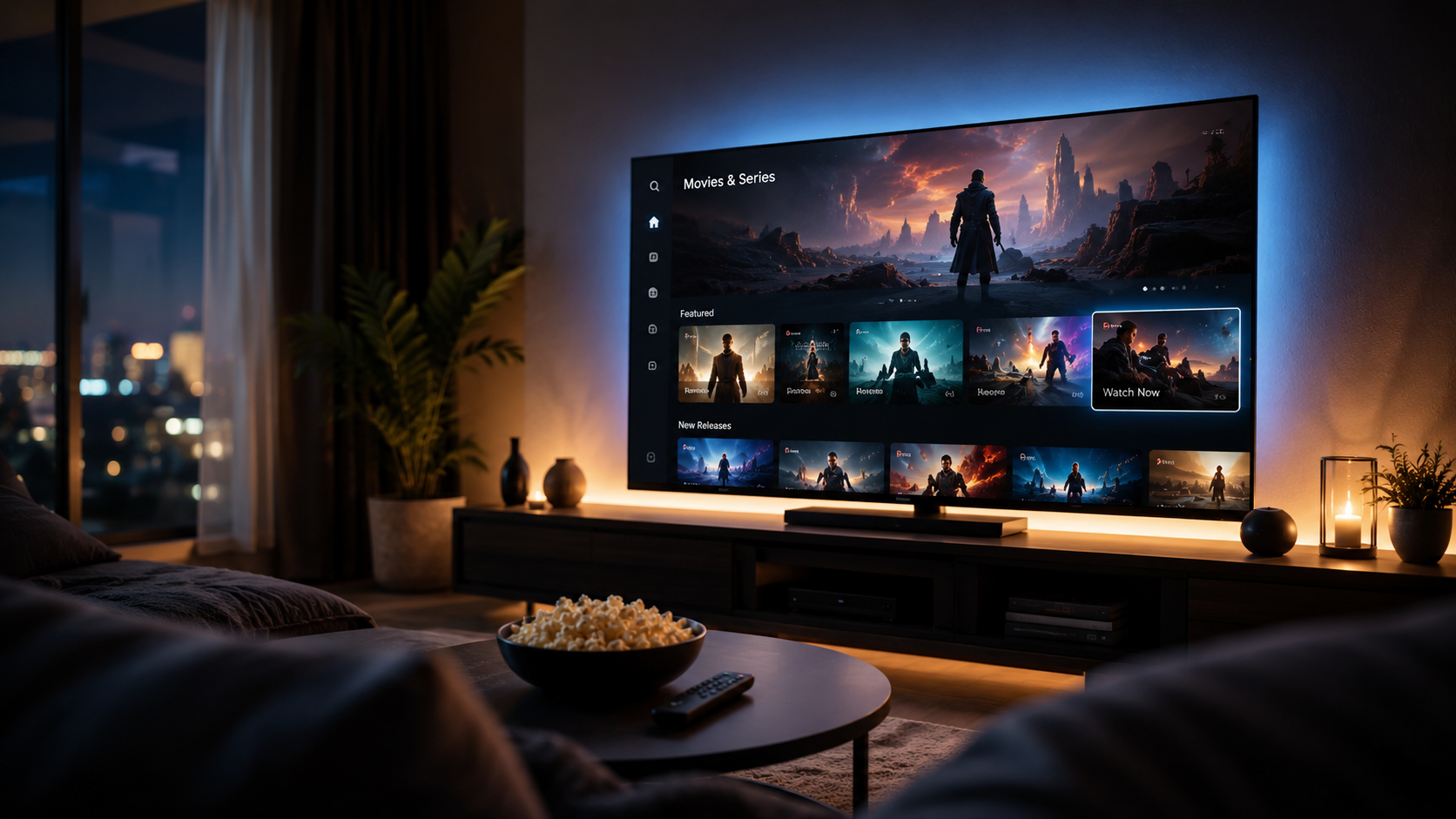
- Smart TVs for home cinema experiences.
- Laptops for flexible viewing at home or work.
- Tablets during travel.
- Smartphones for entertainment on the move.
- Streaming devices connected to compatible displays.
This flexibility allows viewers to continue watching without interruption. Progress synchronization means unfinished content can often resume from the exact point where it was previously paused.
Simple Interfaces Encourage Discovery
Modern streaming services place considerable emphasis on user experience. Rather than presenting endless alphabetical lists, they organize titles into carefully designed collections based on genres, popularity, release dates, viewer interests, and editorial recommendations.
Effective navigation reduces search time while introducing viewers to productions they may never have considered otherwise. Personalized recommendations further improve the browsing experience by highlighting content that aligns with previous viewing habits.
The result is a platform that feels intuitive even for users who are unfamiliar with digital entertainment services.
Visual Quality Keeps Improving
Home entertainment systems have advanced significantly, and streaming technology has evolved alongside them. High-definition playback has become commonplace, while many compatible devices now support ultra-high-resolution content and enhanced audio formats.
Even viewers using smaller mobile screens benefit from sharper images and improved streaming efficiency. As hardware continues developing, digital entertainment increasingly rivals traditional home cinema experiences.
Continuous improvements in network technology also contribute to smoother playback and faster loading times, making high-quality streaming more accessible than ever before.
More Than Just Movies
Although feature films remain extremely popular, streaming has expanded far beyond cinema. Television dramas, documentaries, educational programs, limited series, reality productions, animation, and live-event recordings all contribute to diverse entertainment ecosystems.
This broad selection allows viewers to alternate between short episodes and full-length films depending on how much free time they have available. As a result, streaming platforms support both quick entertainment sessions and extended weekend viewing.
How Viewing Habits Continue to Evolve
Audiences increasingly expect personalized experiences. Recommendation engines, curated collections, multilingual subtitles, and device synchronization have become standard features rather than optional extras.
Future developments may include even more intelligent content discovery, improved accessibility features, enhanced playback technologies, and broader compatibility with emerging devices. Streaming continues evolving because audience expectations continue changing alongside technological innovation.
Final Thoughts
Digital streaming has fundamentally reshaped how people enjoy entertainment. Instant availability, extensive content libraries, flexible device support, and continuous technological improvements have made on-demand viewing an everyday habit for millions of users worldwide.
As internet infrastructure and streaming technologies continue advancing, viewers can expect even greater convenience, broader content selections, and increasingly immersive experiences. The ability to choose what to watch, when to watch it, and on which device has permanently changed the relationship between audiences and modern entertainment.