
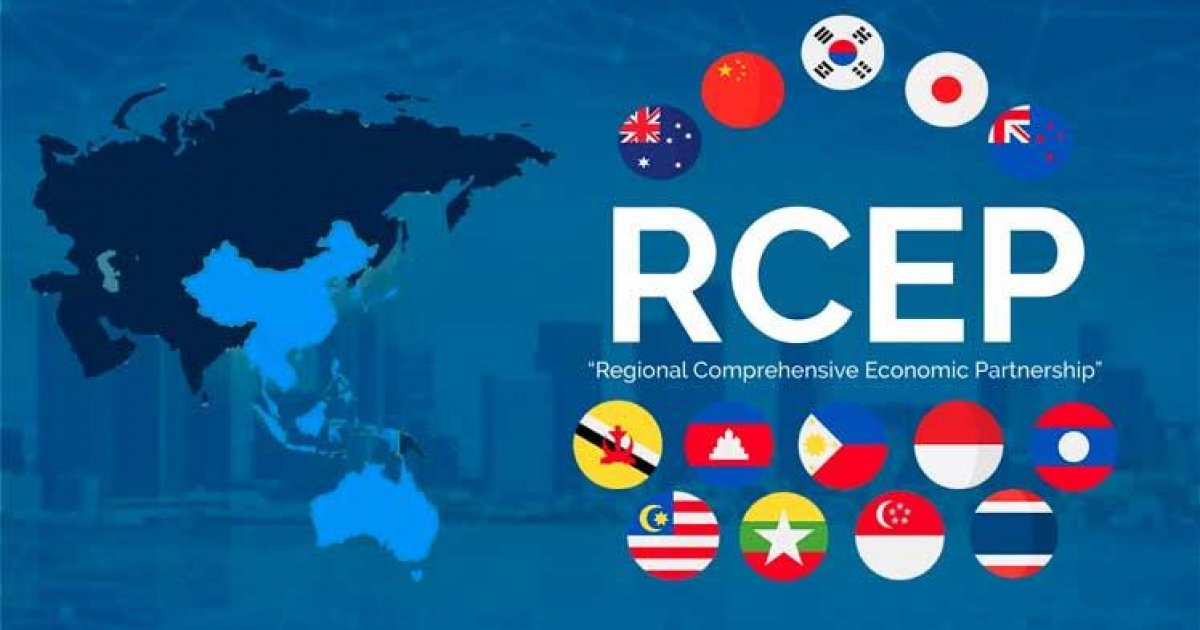
Political leaders are placing greater emphasis on regional cooperation to strengthen economic resilience and improve cross-border trade. Agreements covering transportation, customs modernization, and digital commerce are becoming central topics during international meetings.
Many governments recognize that efficient trade routes contribute directly to economic development. Investments in railways, highways, ports, and logistics centers can reduce shipping costs while increasing competitiveness for exporters. Improved infrastructure also benefits consumers through lower prices and more reliable supply chains.
Digital cooperation is receiving increased attention as governments modernize customs procedures. Electronic documentation and integrated border systems help reduce administrative delays and improve transparency. Businesses often benefit from faster processing times and reduced paperwork.
Environmental cooperation has also become an important agenda item. Neighboring countries are exploring joint initiatives related to water management, renewable energy, and disaster preparedness. Shared projects can improve efficiency while addressing challenges that extend beyond national borders.
Political experts note that successful cooperation depends on consistent communication, mutual trust, and long-term planning. While negotiations may require compromise, stable regional partnerships often provide lasting economic and diplomatic benefits.
As global markets become increasingly interconnected, policymakers are expected to continue pursuing agreements that promote sustainable development, investment, and stronger international relationships.